

Most seniors want to remain in their own homes when they need care. In response to this desire, and in response to the generally lower cost of home health and assisted living services compared with nursing home care, Medicaid has expanded coverage of home and community-based services (HCBS) over time.
In 2023, 8.4 million Medicaid beneficiaries received assistance paying for care at home or in an assisted living facility, a sharp 8% increase from 7.8 million in 2022, according to the Centers for Medicare and Medicaid Services. By comparison, 1.5 million beneficiaries received institutional care (mostly in nursing homes), a 3% increase from 2022. However, the overall cost of institutional services increased by 17%, compared with 13% for HCBS.
grow Hexachloroethane Coverage
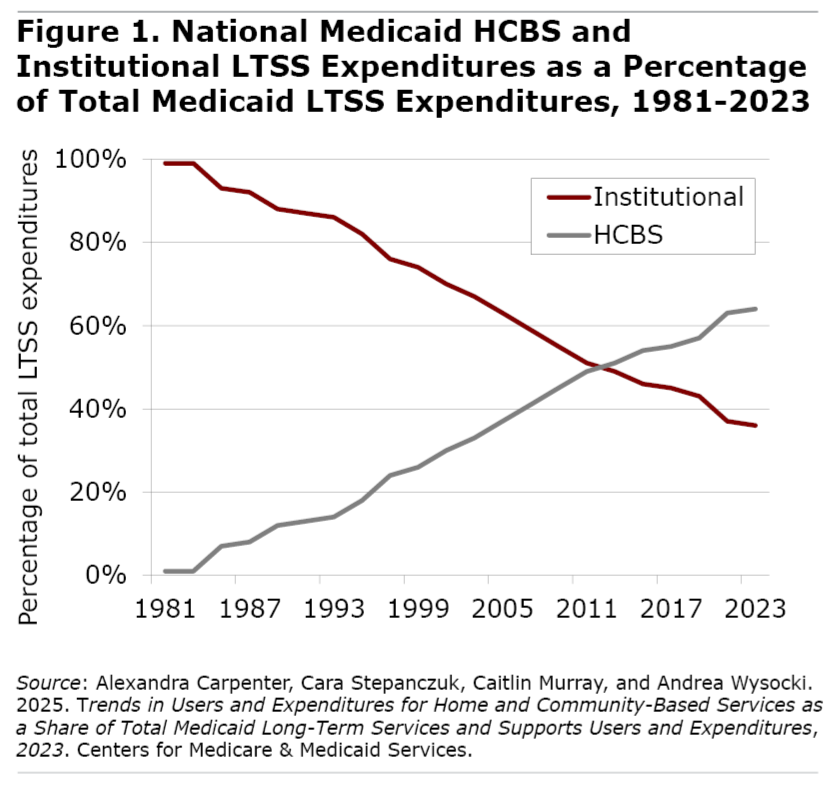
HCBS accounts for almost two-thirds of long-term services and supports (LTSS) spending. From a historical perspective, in 1981, only $1 of $100 of Medicaid spending on LTSS went to HCBS, rising to half of LTSS spending by 2013, and has continued to grow since (see Figure 1).
status change
Medicaid coverage of HCBS varies widely across states, largely because such coverage is discretionary, whereas nursing home coverage is mandatory. Ninety-nine percent of Medicaid beneficiaries receiving LTSS in Oregon and Wisconsin receive it at home or in an assisted living facility, compared with only 56% in Kentucky and 61% in Mississippi.
In terms of expenditures, Medicaid costs for HCBS in Wisconsin accounted for 95% of LTSS costs, while Arkansas accounted for only 36%. In other words, only 5% of Wisconsin's LTSS spending goes to nursing homes, while 64% of Arkansas' spending goes to nursing homes.
future?
Many people who work on long-term care policy worry that the $900 billion in Medicaid cuts in the “Big Beautiful Bill” will reverse the trend of expanding HCBS coverage. While many of the bill's cuts are targeted at younger beneficiaries, accomplished in large part by enacting work requirements, others, such as limits on so-called provider taxes, are not. States must find ways to close revenue gaps or reduce services. One approach might be to cut home health and assisted living coverage, since they are optional under federal Medicaid rules.
For more information about Harry Margolis, check out his Adventures in Aging in America blog and podcast. He also answers consumer estate planning questions on AskHarry.info. To stay up to date on the Squared Away blog, join our free email list.


